
How carbon fiber is made, used, and repaired
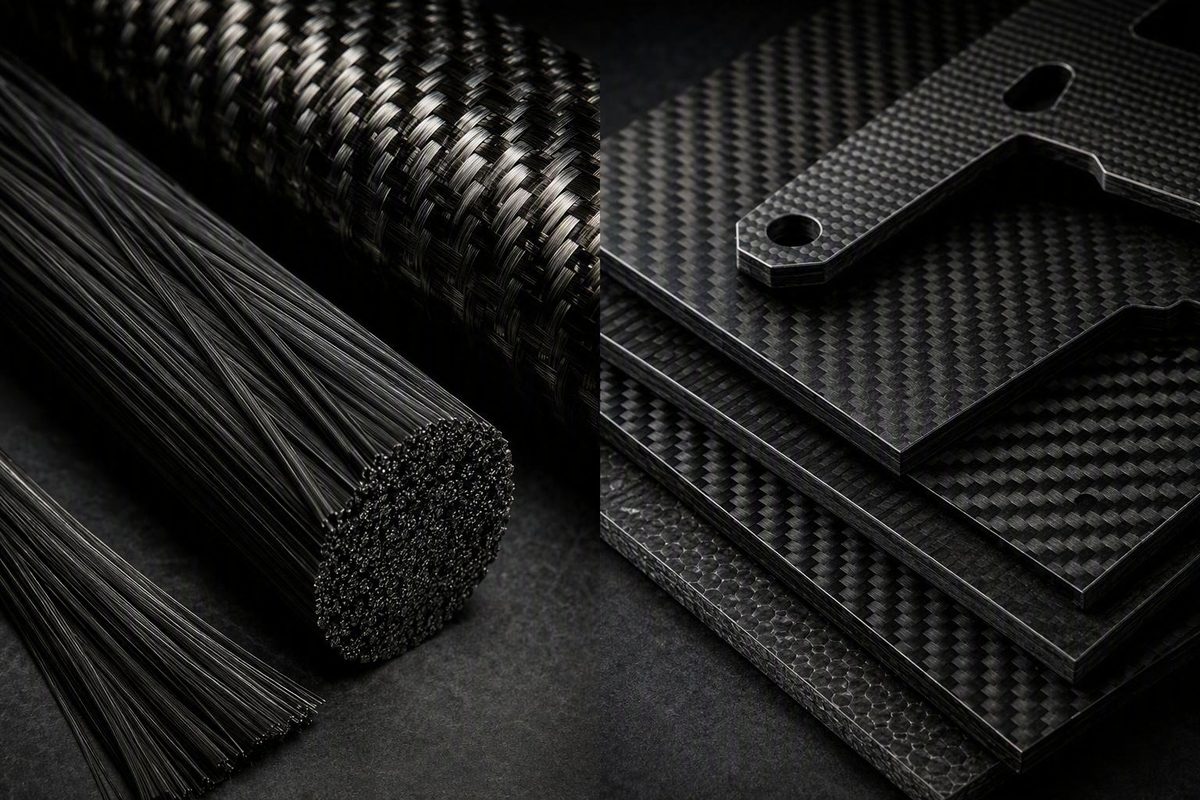
Modulus of Elasticity of Carbon Fiber: Fiber vs Laminate
Carbon fiber modulus ranges from about 230 to 588 GPa by grade, but laminate stiffness also depends on resin, fiber volume, orientation and geometry.
By Elias Berg · 20 September 2026 · 5 min readLatest
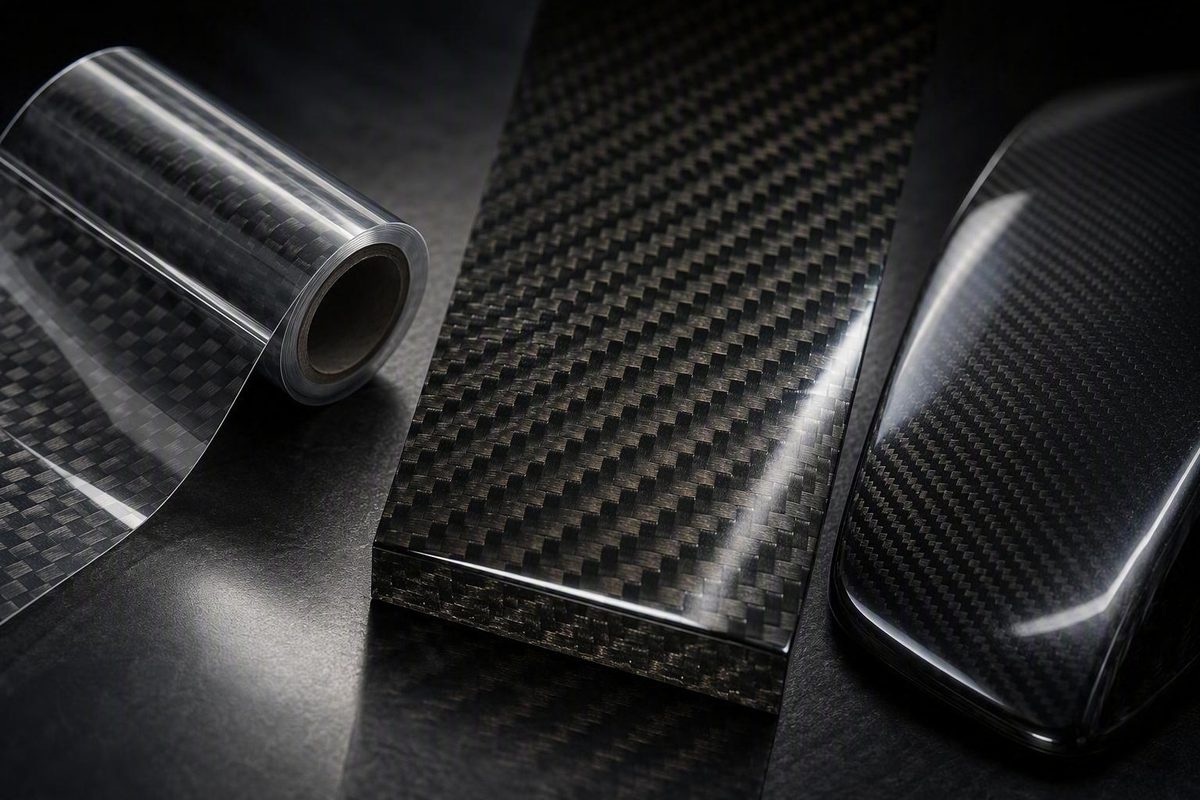
Clear Carbon Fiber: Vinyl vs Resin vs Clearcoat
Distinguish decorative transparent vinyl from real carbon fiber under clear resin, then match wrapping, laminating or UV protection to the job.
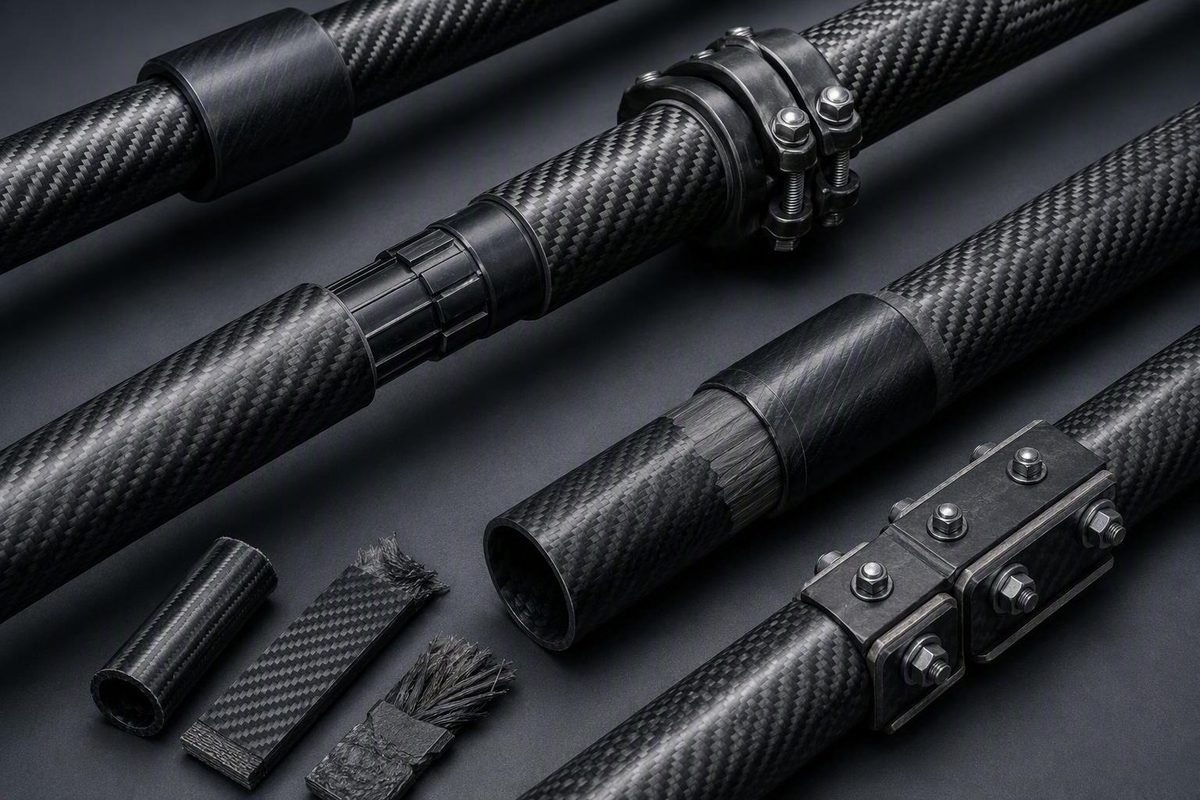
Carbon Fiber Joints: Types, Selection and Testing
Compare sleeves, clamps, inserts, bonded joints and bolted splices by load path, serviceability, failure modes and qualification evidence.
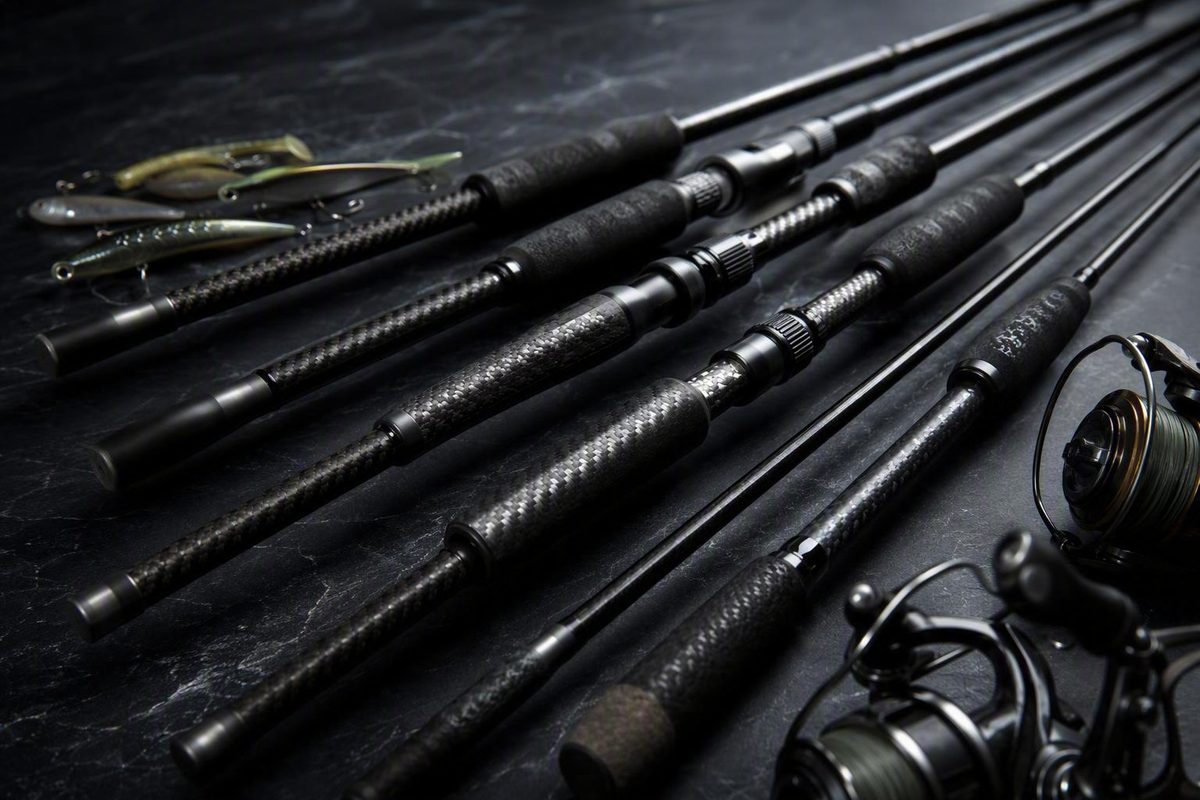
Carbon Fiber Fishing Rod: How to Choose by Technique
Match length, power, action, line and lure ratings to your technique, then compare measured weight, balance, components, warranty and price.
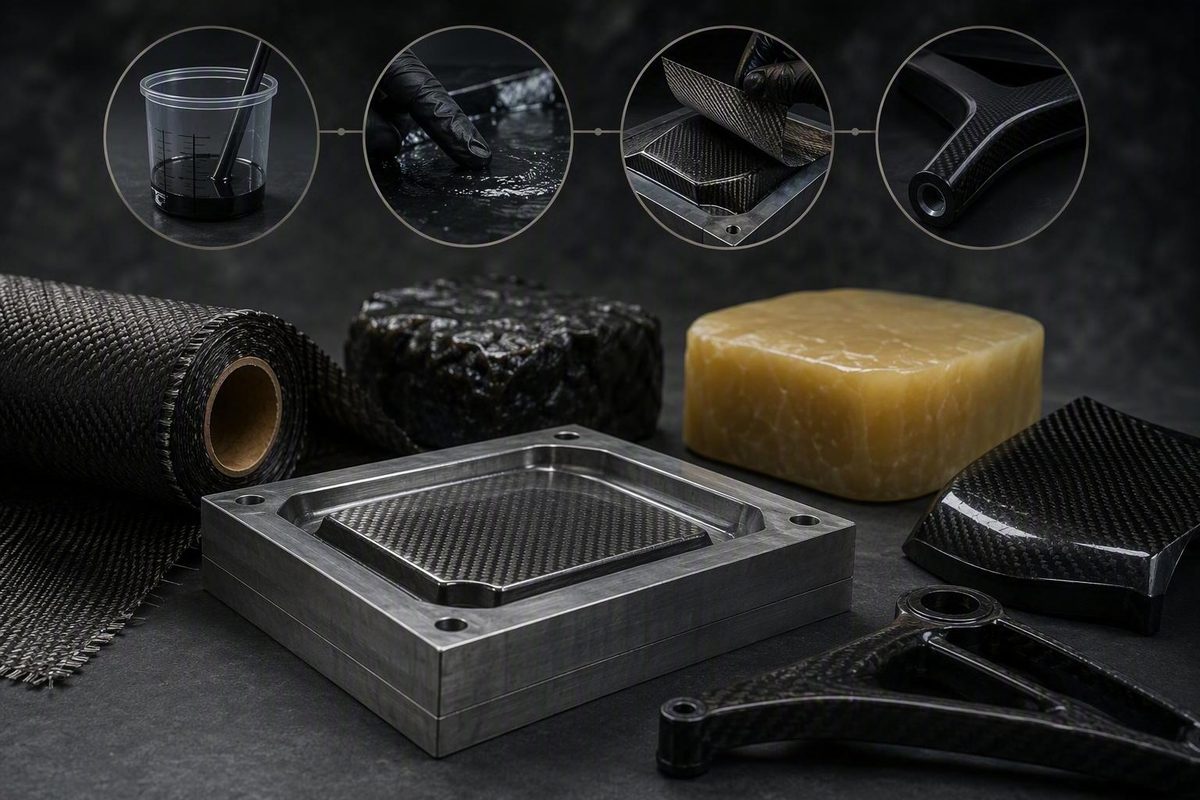
Fast Curing Resin: Cure Times, Uses and Limits
Pot life, tack-free, demold and full cure are separated, with temperature, batch mass and thickness kept visible for a defensible choice.
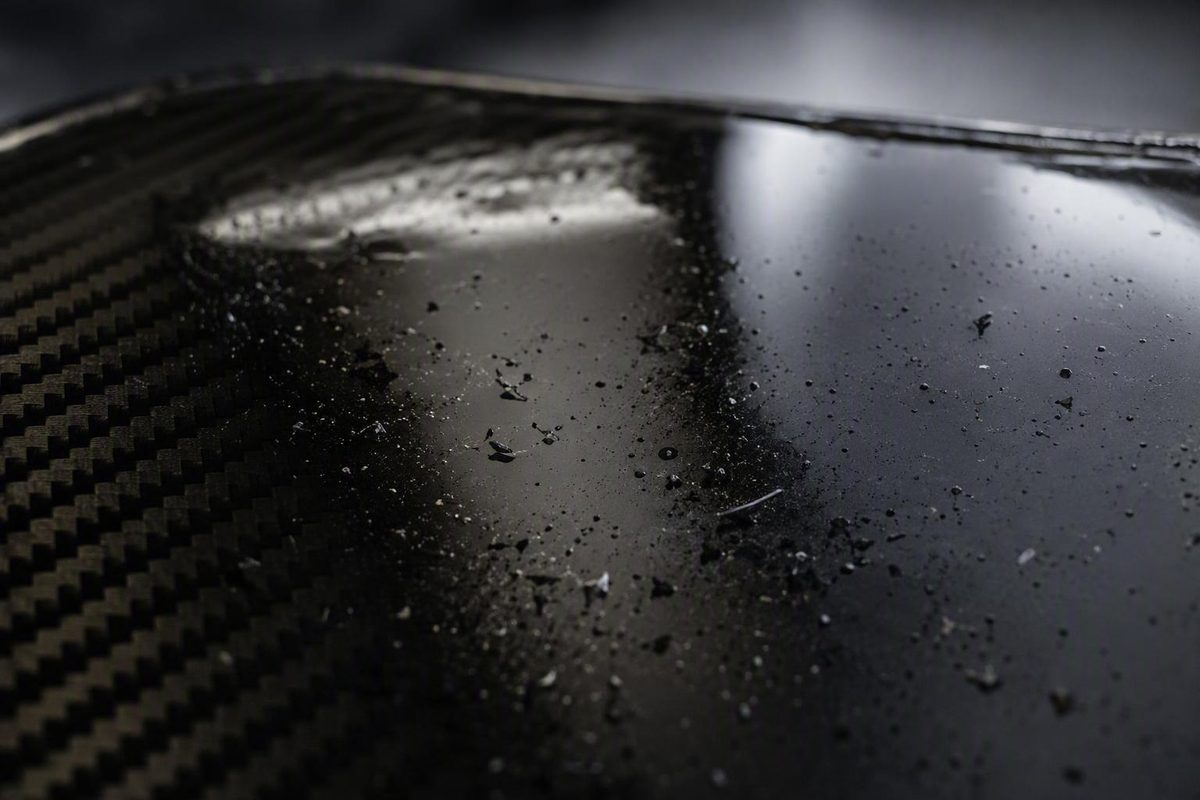
J-STD-001 Rules for Debris in Epoxy
The cited clause listings set no universal particle limit; use epoxy function, invoked revision, class, contract documents, and full requirements.
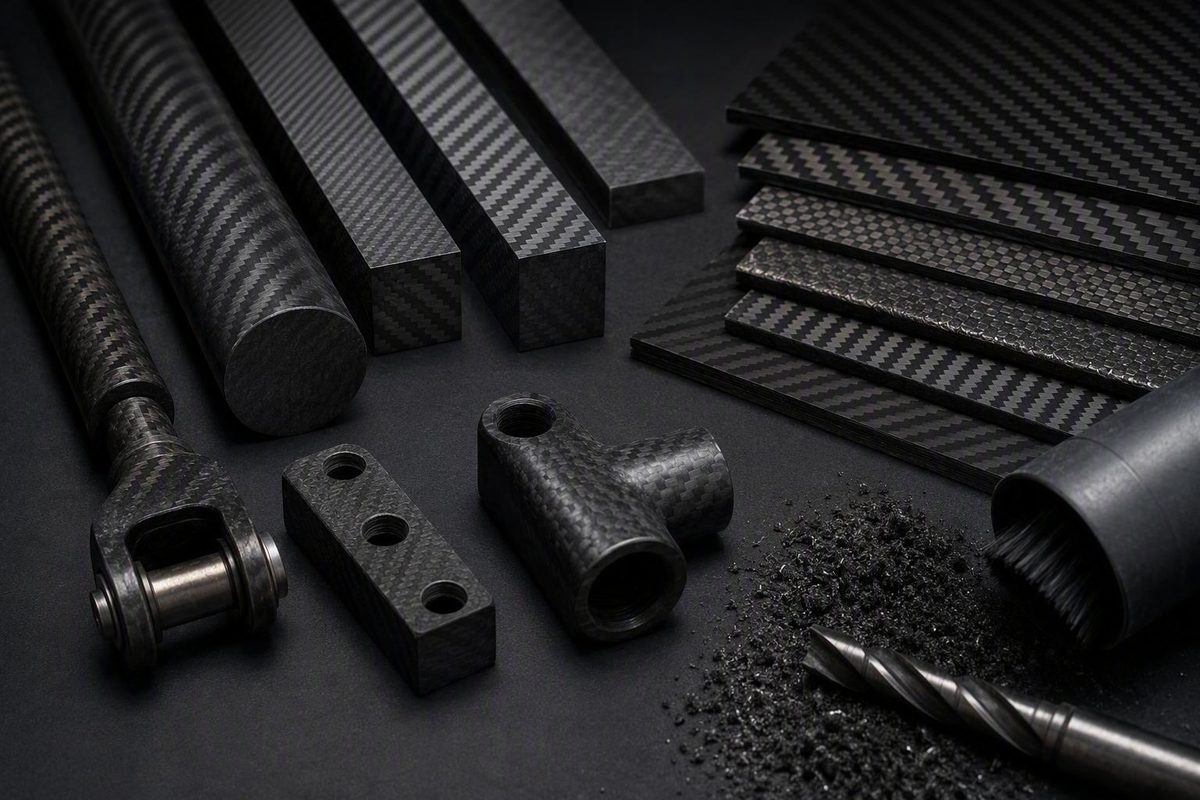
How to Choose Carbon Fiber Bar Stock
Match round, square, and flat profiles to load direction; then compare fiber architecture, resin, tolerances, joints, machining, and dust controls.
More articles
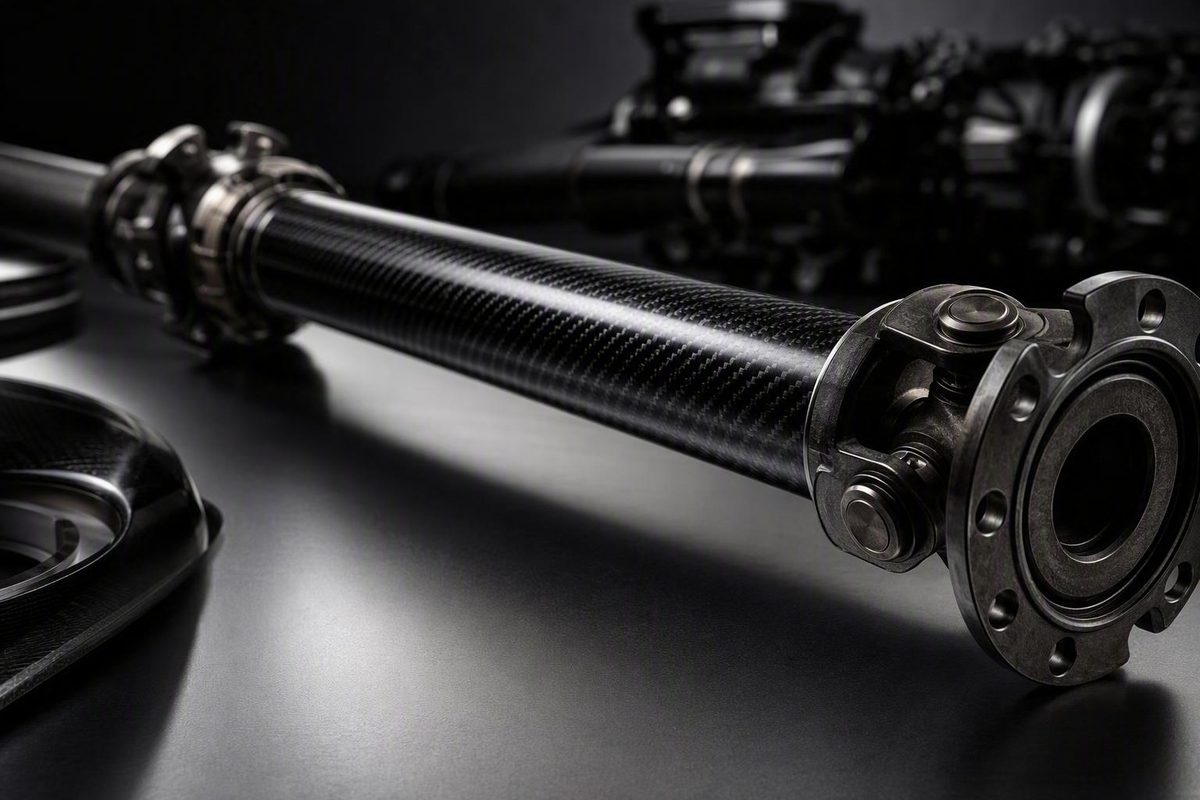
Carbon Fibre Propshaft: When It’s Worth the Cost
Mass reduction or extra critical-speed margin must solve a real need; check torque, RPM, balance, joints, heat, fitment and certification.
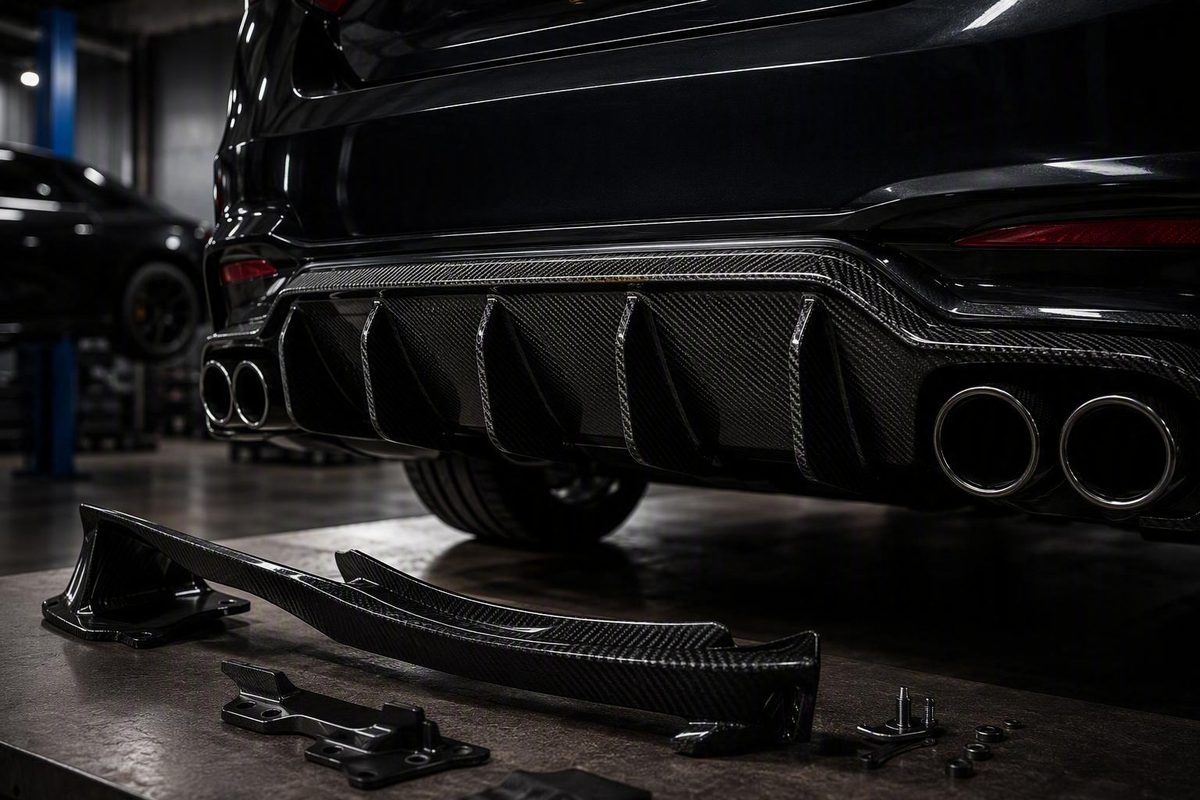
Carbon Fiber Diffuser Buying Checklist
Learn how to confirm exact vehicle and bumper fitment, then verify construction, installation needs, delivered cost, warranty and return exposure.
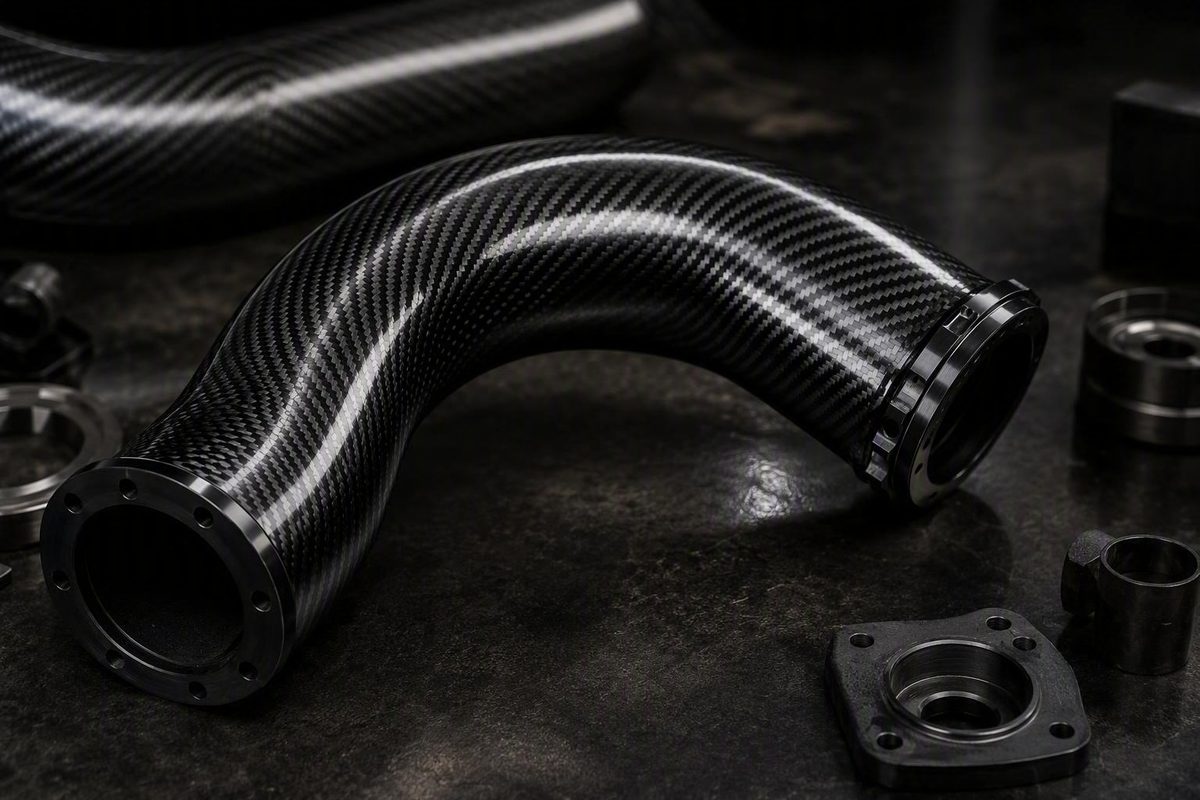
Curved Carbon Fiber Tubing: How to Source It
Treat it as a custom component, then specify geometry, loads, interfaces, quality and quantity before validating supplier claims.
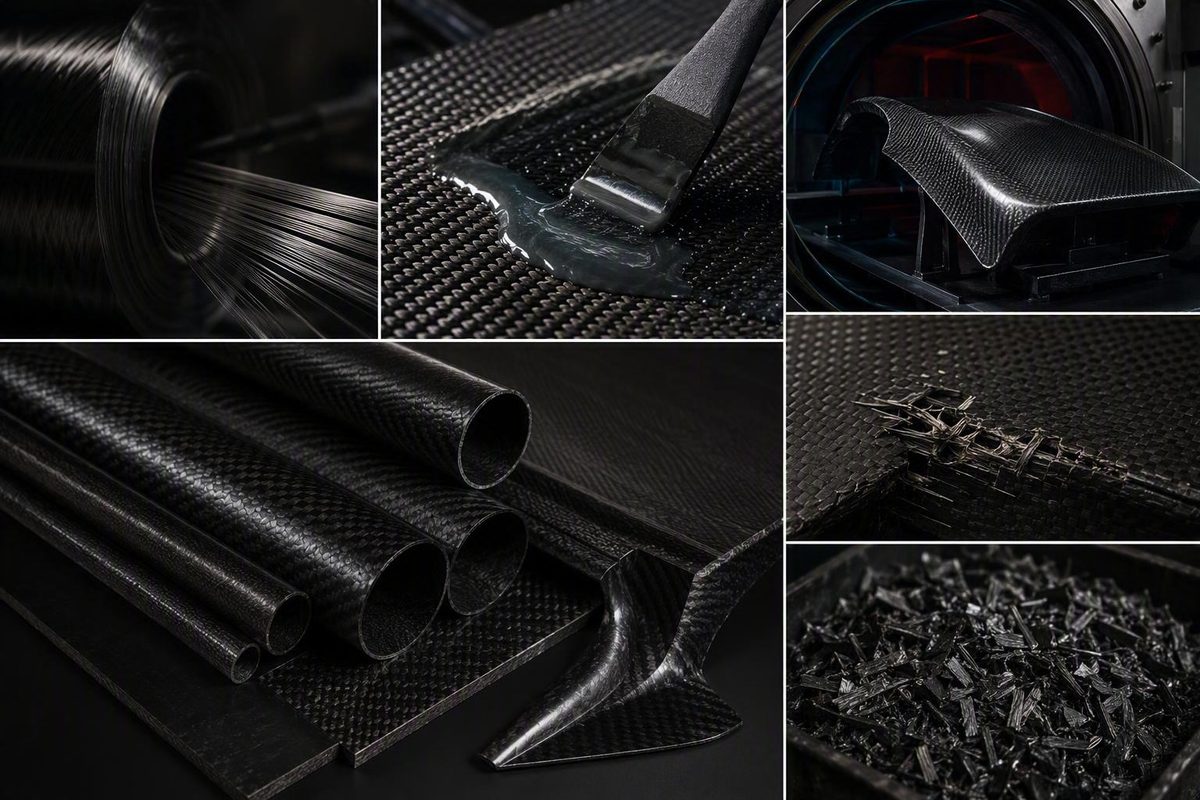
Carbon Fiber: What It Is, Uses and Limitations
Filaments become rigid CFRP through a matrix and cure; orientation and manufacturing shape performance, while damage, repair and recycling impose limits.
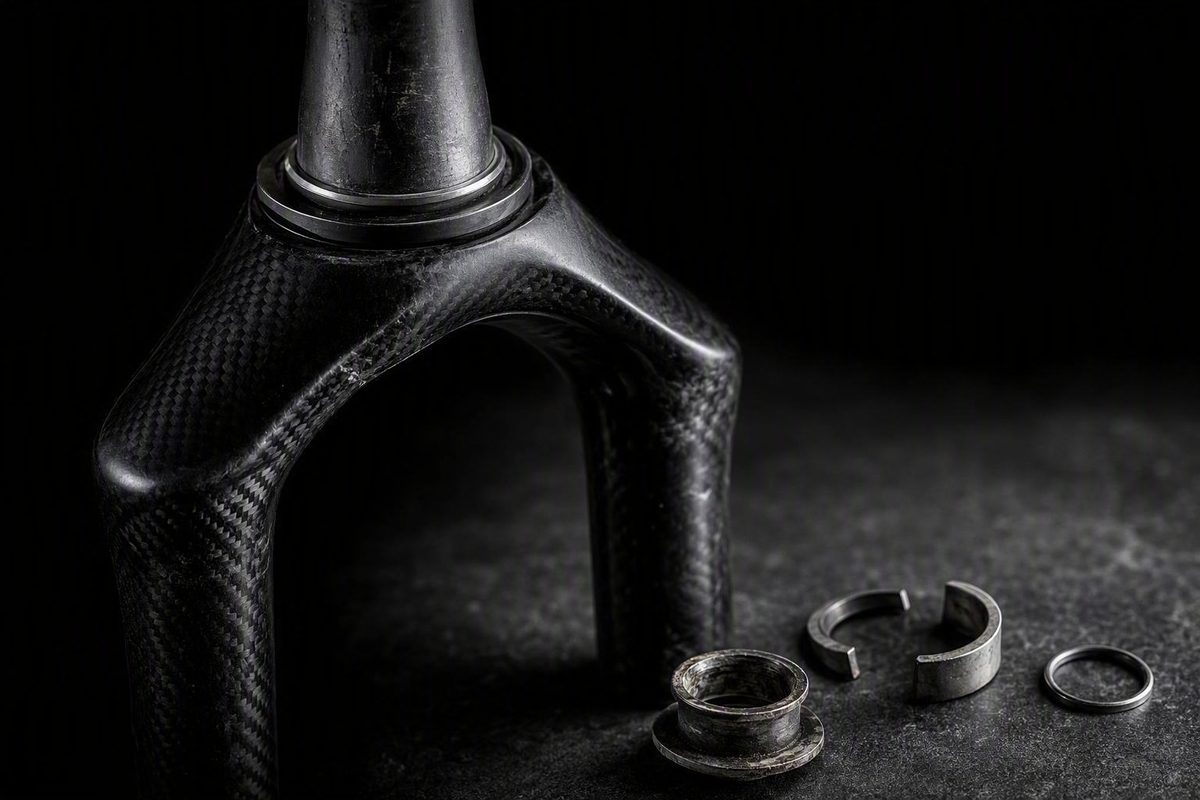
Carbon Fork Crown Insert Recall: What Actually Failed
See why Ritchey’s 2026 carbon fork recall concerns a loose alloy crown insert, how that differs from laminate damage, and how to obtain the free fix.
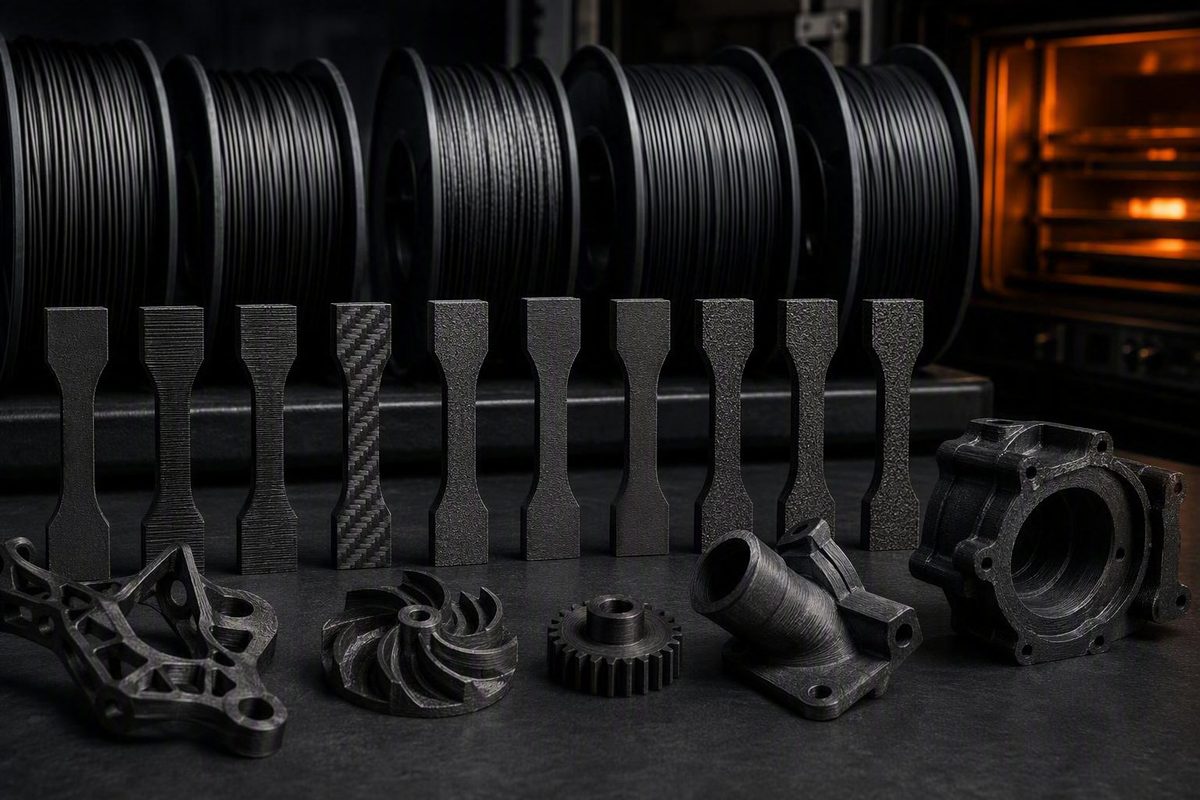
Does Annealing Carbon Fiber Filament Make It Stronger?
Compare PLA-CF, PETG-CF, ABS-CF, PET-CF, and nylon-CF evidence, including strength gains, adhesion limits, distortion, and test decisions.
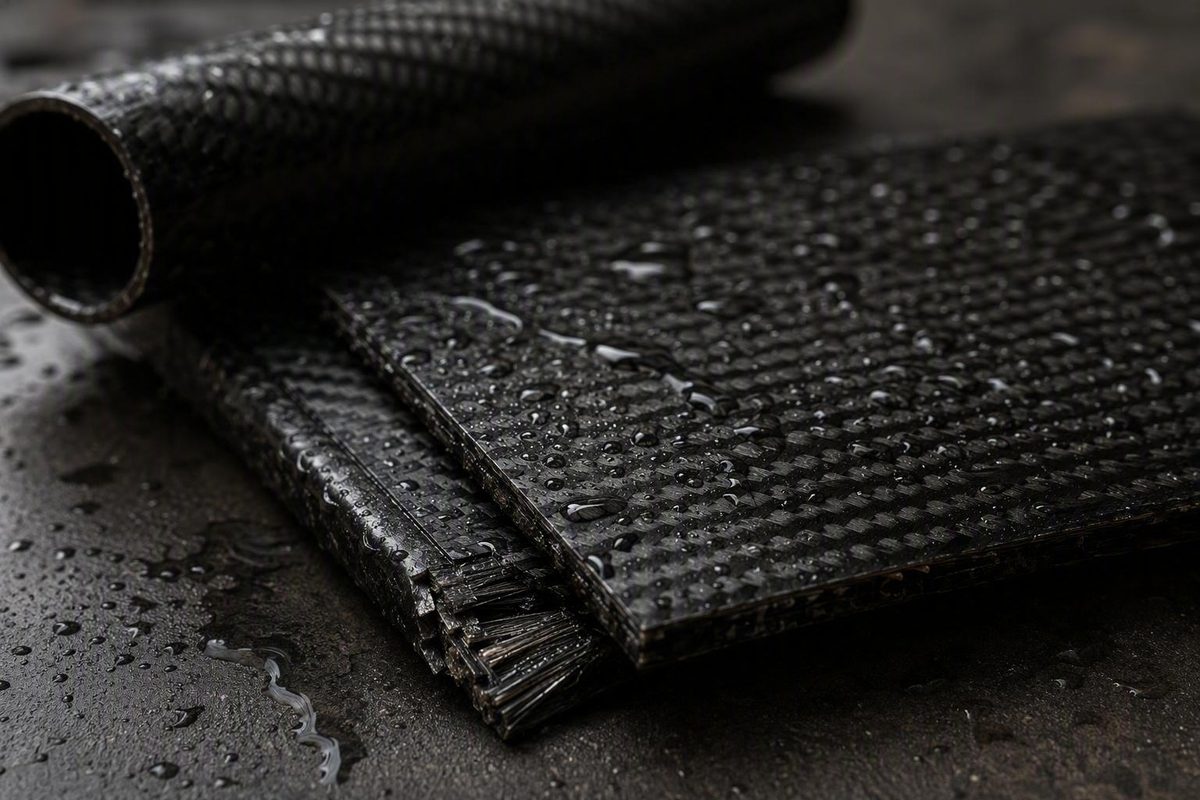
Does Moisture Weaken Carbon Fiber? Evidence Explained
Water mainly affects the resin and fiber interface, not carbon filaments. See how moisture content, layup, heat, and exposure alter performance.
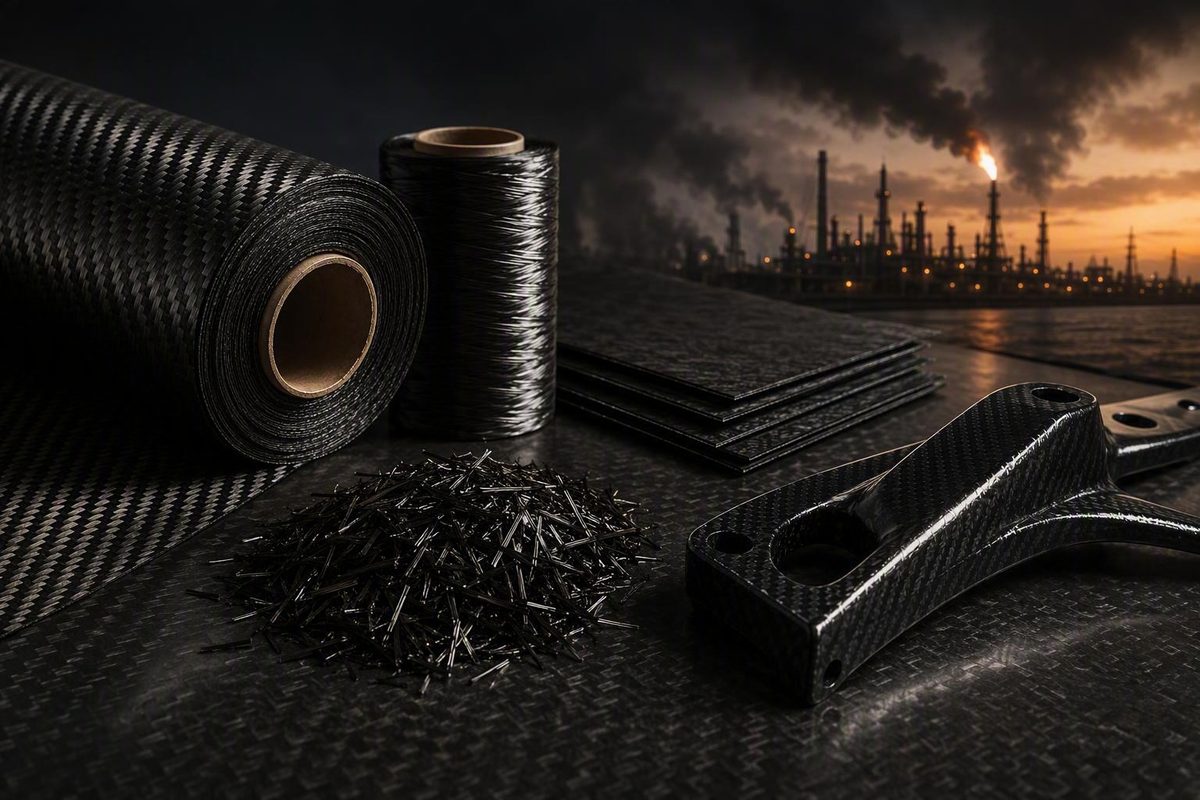
Why Carbon Fiber Prices Are Going Up in 2026
Toray’s price revision and Hormuz-related surcharge affect fiber, prepreg and finished parts differently. Calculate the likely cost per part.
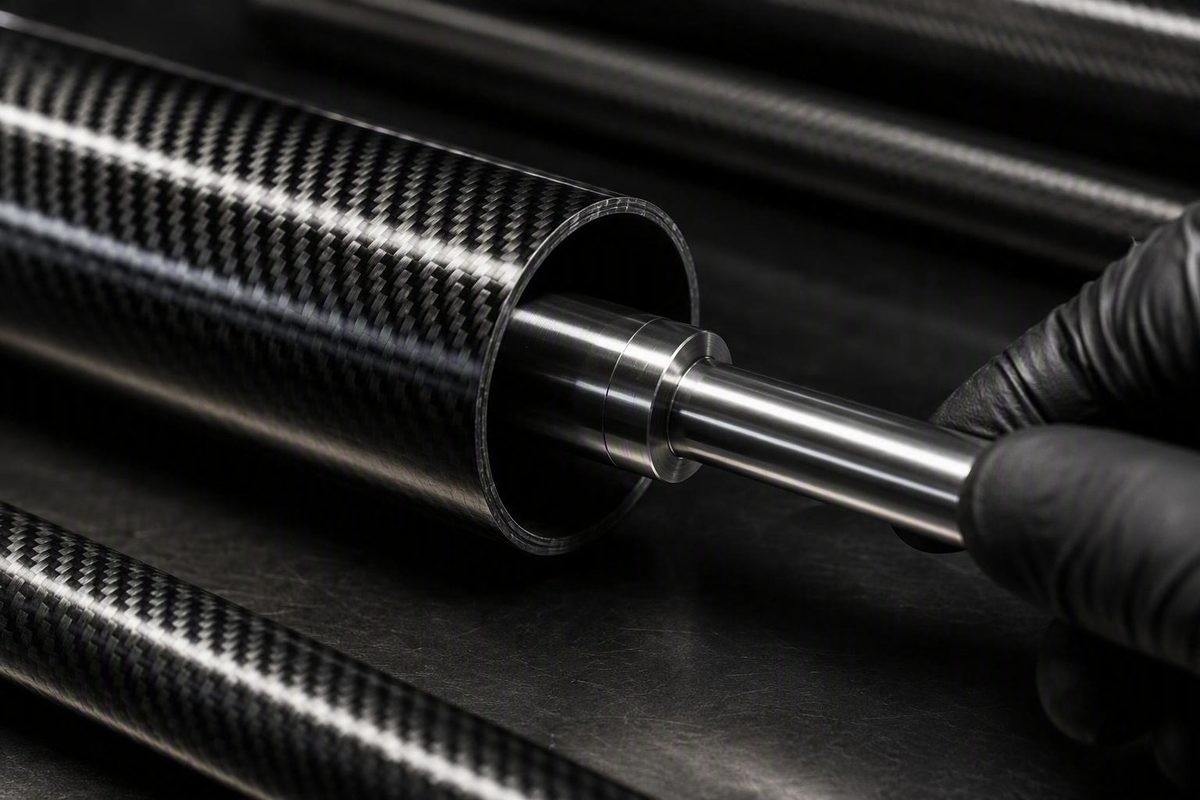
Mandrel Test: Procedure, Sizing, Pass/Fail and Troubleshooting
A mandrel test is a physical passage test. A gauge of specified dimensions is pushed or, more commonly, pulled through a pipe or conduit to determine whether…
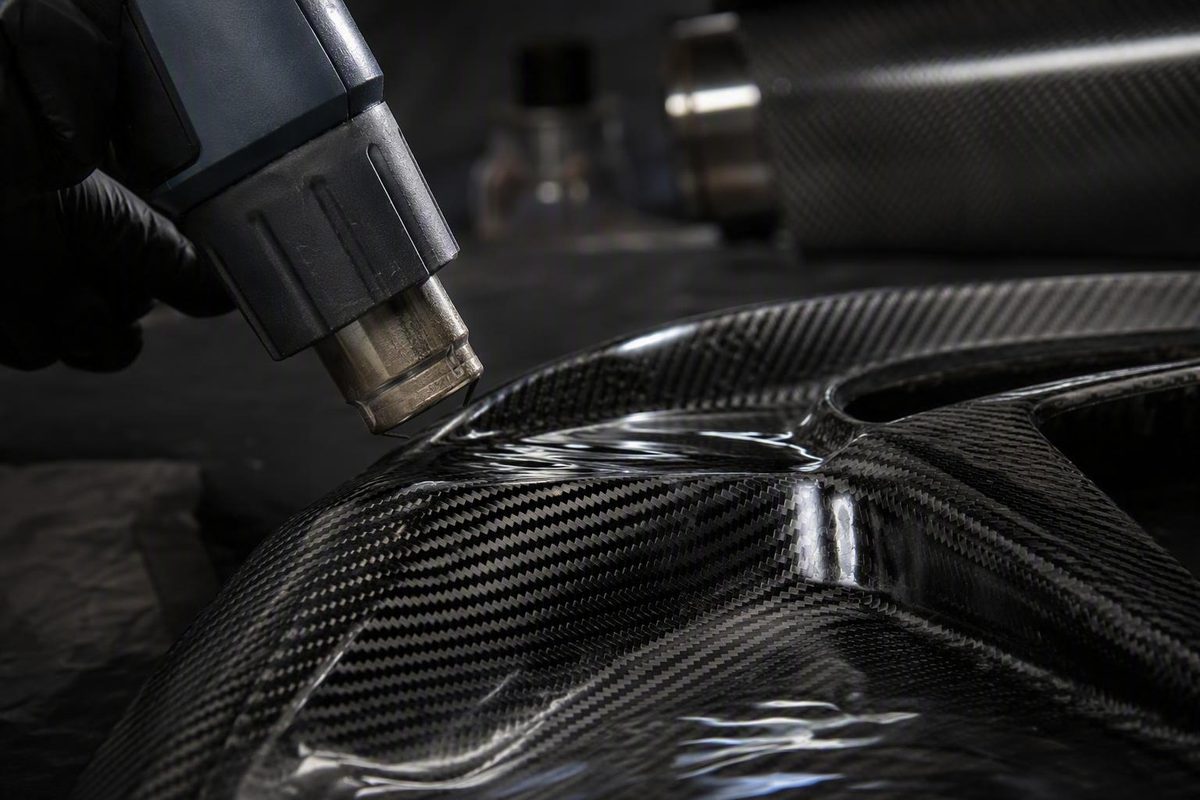
Heat Gun for Epoxy Resin: Selection, Use & Safety Guide
A heat gun for epoxy resin is best understood as a surface-finishing and resin-moving tool, not a universal bubble remover or curing appliance. Used…
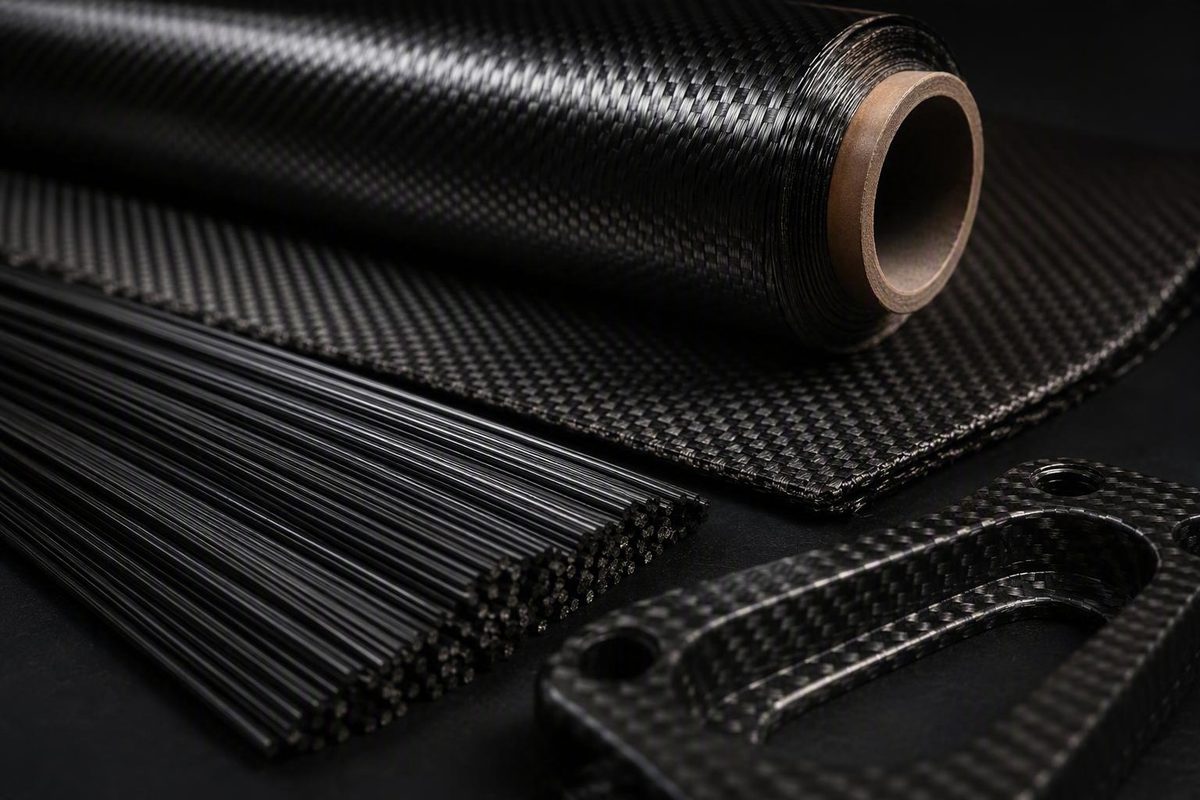
Ultra High Modulus Carbon Fiber: Properties, Grades & Uses
Ultra high modulus carbon fiber is not simply “better carbon fiber.” It is a specialized reinforcement for designs in which elastic stiffness—and often…
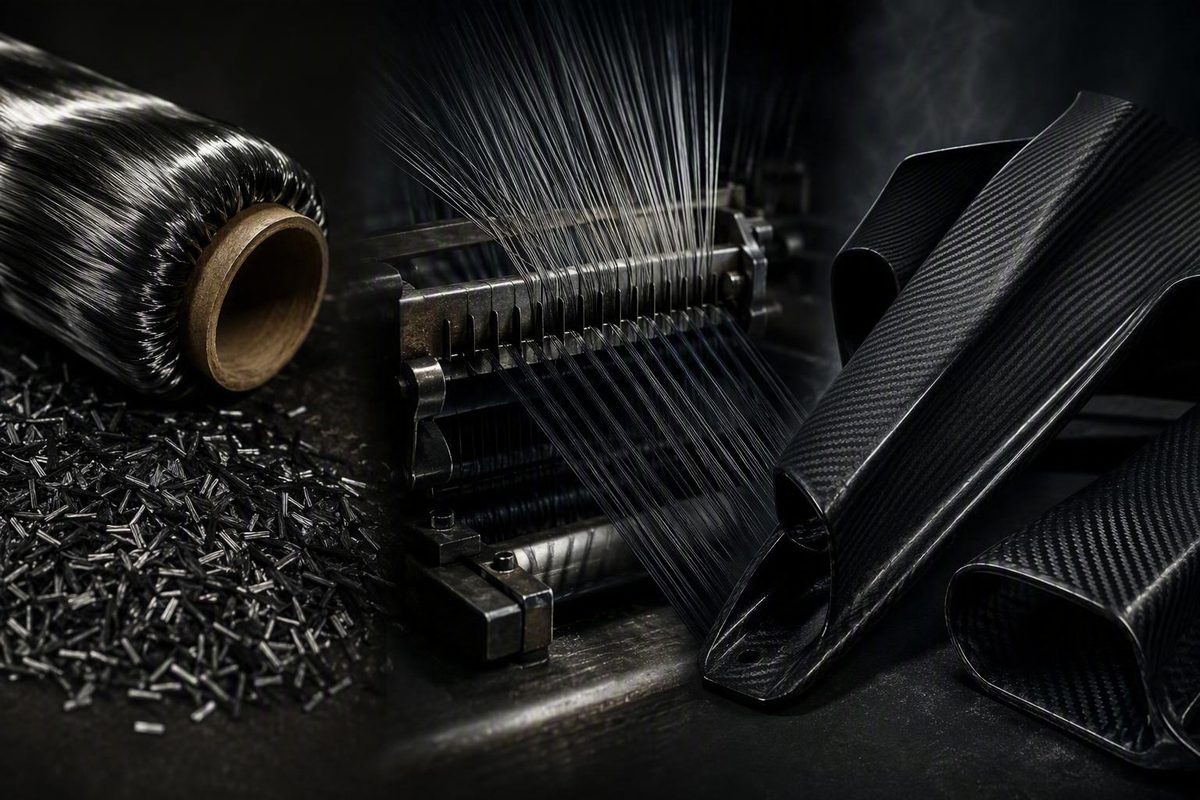
Why Carbon Fiber Is So Expensive: The Two Cost Stacks
For one-off and short-run parts, tooling, engineering, labor, finishing and inspection can together exceed the cost of fiber and resin.